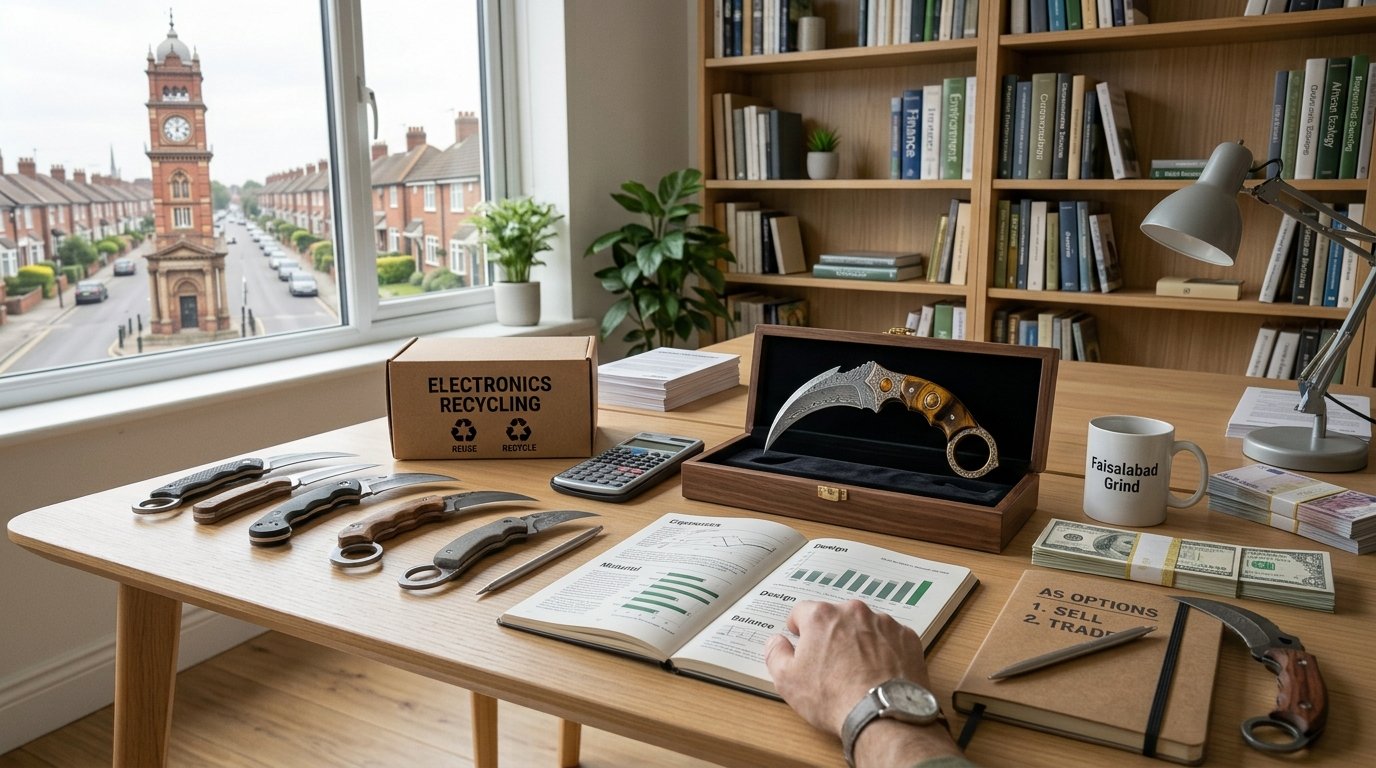
A custom karambit knife can be an interesting addition to a personal knife collection because of its distinctive curved blade, circular handle ring, and traditional design. Collectors often appreciate these knives for their craftsmanship, materials, finishing details, and unique appearance.
However, choosing the right karambit involves more than selecting an attractive design. You should consider blade construction, handle materials, overall finish, craftsmanship, display options, and local regulations before making a purchase.
Whether you are starting your collection or adding another distinctive design, this guide explains what to look for when choosing a custom karambit knife.
1. Understand What Makes a Custom Karambit Knife Unique
The karambit has a recognizable design inspired by traditional Southeast Asian agricultural tools. Its curved blade and distinctive handle shape make it different from many conventional fixed-blade knives.
Modern custom karambits can feature different materials, finishes, and decorative details.
Some common characteristics include:
- Curved blade profile: A defining visual feature of the karambit design.
- Circular handle ring: A recognizable part of its traditional appearance.
- Distinctive handle materials: Options may include wood, synthetic materials, and other decorative finishes.
- Custom blade finishes: Polished, patterned, or otherwise detailed surfaces.
- Individual craftsmanship: Handmade and custom designs can have unique finishing characteristics.
Understanding these features helps you recognize the design elements that make one collectible karambit different from another.
2. Explore Different Custom Karambit Designs
Not every karambit has the same appearance. Some designs focus on traditional styling, while others incorporate modern materials and decorative finishes.
Before selecting a knife, explore different designs and compare their visual characteristics.
Traditional Karambit Designs
Traditional-inspired designs generally retain the recognizable curved blade and circular handle ring. Collectors who appreciate historical knife styles may prefer these models.
Modern Custom Karambits
Modern designs can include contemporary handle materials, contrasting finishes, and distinctive decorative elements. These options may appeal to collectors who prefer unusual or visually striking pieces.
Handmade Karambit Knives
Handmade pieces can offer individual finishing details that distinguish them from mass-produced alternatives. Examine the construction, symmetry, surface finish, and overall presentation before choosing one.
If you want to explore different designs, the JW Steel Crafts custom karambit knives collection is a relevant place to compare available styles and designs.
3. Examine the Blade Material and Finish
Blade material is an important consideration when evaluating a custom knife. Different steels have different characteristics, maintenance requirements, and appearances.
When comparing karambit knives, look for clear product information about the steel used.
Stainless Steel
Stainless steel generally offers greater resistance to corrosion than many carbon steels. It can be a practical choice for collectors who prefer relatively straightforward maintenance.
However, stainless steel still requires appropriate cleaning and storage.
Carbon Steel
Carbon steel is valued in traditional knife making and can offer different edge and finishing characteristics depending on its composition and heat treatment.
It usually requires more attention to moisture control because it can develop rust if neglected.
Damascus Steel
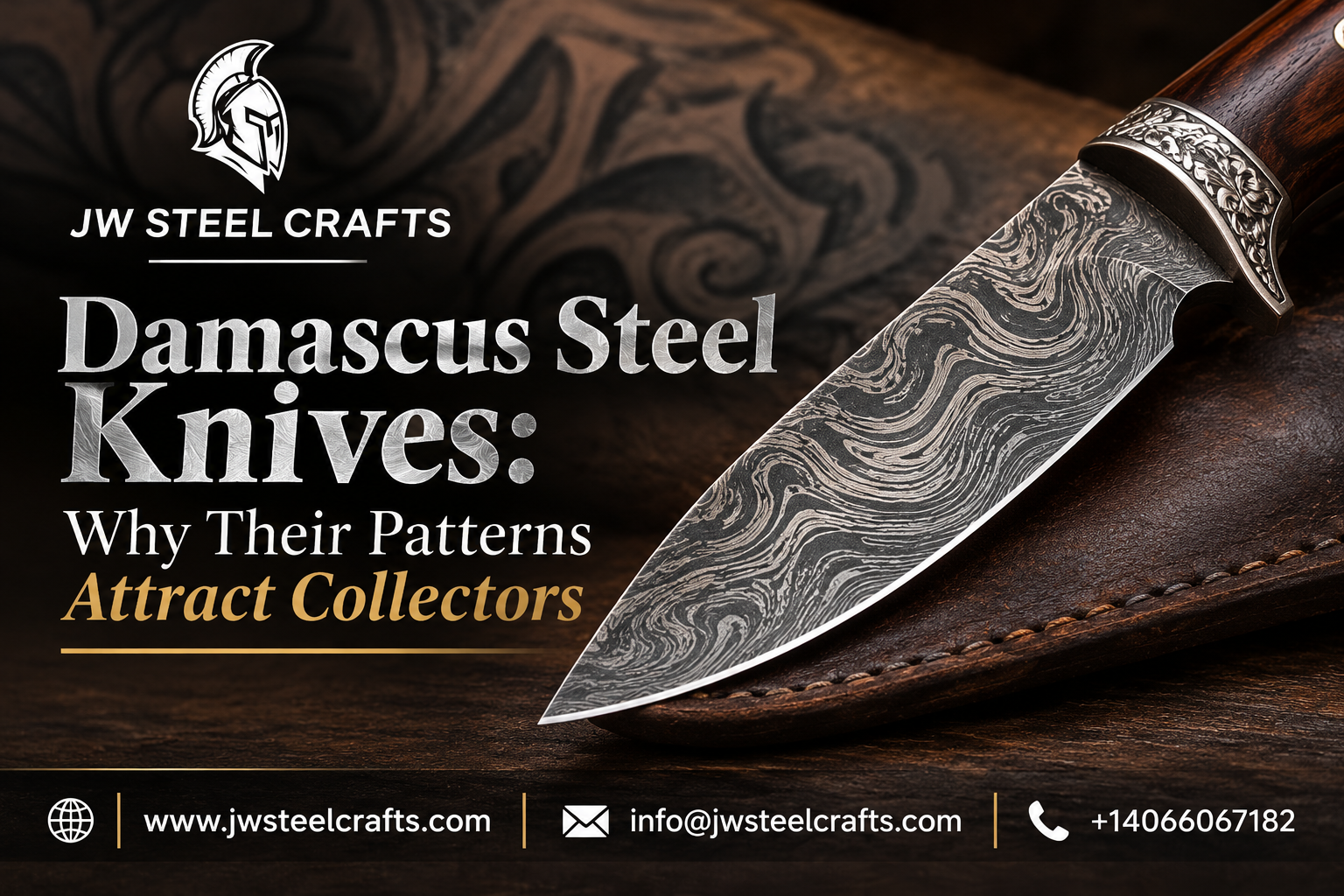
Damascus-style patterns are popular among knife collectors because of their distinctive layered appearance.
When evaluating a Damascus knife, check whether the maker explains the steel construction. A decorative etched pattern does not necessarily mean the blade is made from layered Damascus steel.
Inspect the Surface Finish
Look closely at the blade’s visible finish. Check for consistent polishing, clean transitions, and any obvious manufacturing defects.
A well-presented blade should have a finish that matches the product description and photographs.
4. Consider Handle Materials and Craftsmanship
The handle contributes significantly to a knife’s overall appearance. It also affects the visual balance between the blade and the rest of the design.
Custom karambit handles may use different materials, including:
- Wood
- Micarta
- G10
- Synthetic composites
- Decorative metal components
Each material offers a different appearance and maintenance profile.
Wooden Handles
Wooden handles can provide a natural, traditional appearance. Grain patterns and color variations can make individual pieces visually distinctive.
Micarta and G10 Handles
Micarta and G10 are composite materials commonly used in modern knife construction. They can provide a clean, contemporary appearance.
Check the Overall Finish
Look for even surface finishing, clean edges, and a consistent appearance around the handle components.
For a collectible knife, small design details can make a meaningful difference in its overall presentation.
5. Evaluate Craftsmanship Before Buying
A custom knife should be evaluated as a complete product rather than judged by its blade pattern alone.
Pay attention to these details:
- Blade symmetry: Check whether the visible design appears consistent.
- Handle finishing: Look for clean edges and an even surface.
- Material information: Confirm that the product description identifies the materials accurately.
- Construction quality: Review available details about the knife’s assembly and finish.
- Product photographs: Compare different views instead of relying on one promotional image.
- Seller information: Look for clear specifications, policies, and product descriptions.
If important details are missing, contact the seller before purchasing.
6. Compare Karambits With Other Collectible Knife Designs
A personal collection does not need to contain only one style of knife. Many collectors appreciate the contrast between traditional, medieval-inspired, and modern designs.
For example, Viking seax knives have a very different appearance from karambits. Their historical styling, blade profiles, and decorative features create another interesting category for collectors.
One example is the 15 inch medieval fantasy Viking seax knife from JW Steel Crafts.
Its medieval-inspired appearance offers a contrasting style for collectors interested in distinctive historical and fantasy-themed knife designs.
Comparing different categories can help you develop a collection with greater visual variety. However, remember that a Viking seax and a karambit are separate knife designs with different historical backgrounds and characteristics.
7. Consider Size, Weight, and Display Requirements
The dimensions of a collectible knife can influence how you store and display it.
Before buying, review the product’s listed measurements and photographs.
Consider:
- Overall length
- Blade length
- Handle dimensions
- Weight, if provided
- Included sheath or protective cover
- Available display options
A larger collectible may need more display space, while smaller pieces can fit more easily into a compact collection.
Choose a display arrangement that protects the knife and prevents accidental contact with its cutting edge.
8. Check the Seller’s Product Information and Reputation
A reliable product listing should provide enough information to help you understand exactly what you are buying.
Before placing an order, review:
Product Specifications
Check the blade material, handle material, dimensions, finish, and included accessories.
Product Images
Look for clear photographs showing the blade, handle, and overall construction.
Customer Feedback
Customer reviews can provide useful information about product presentation, packaging, communication, and purchasing experiences.
Return and Shipping Policies
Understand the seller’s return conditions, delivery options, and applicable shipping restrictions before completing an order.
Legal Requirements
Knife laws differ between countries, states, and local jurisdictions. Check the applicable rules regarding ownership, purchase, importation, transport, and display before buying or shipping a knife.
9. Choose a Karambit That Matches Your Collection’s Theme
A well-planned collection often has a theme. Some collectors focus on traditional designs, while others prefer handmade craftsmanship, unusual blade patterns, or historical influences.
You can organize your collection around several themes:
- Traditional designs: Knives inspired by historical forms.
- Modern craftsmanship: Contemporary materials and finishing styles.
- Decorative knives: Pieces selected for their distinctive appearance.
- Historical collections: Designs inspired by different cultures and periods.
- Handmade pieces: Knives selected for individual craftsmanship and construction details.
A karambit can become a distinctive part of a broader collection when its design complements your other pieces.
10. Create a Safe Storage and Maintenance Routine
A collectible knife needs proper care to preserve its appearance and condition.
Follow these basic practices:
- Keep the blade clean and completely dry.
- Apply suitable protective oil when appropriate for the steel.
- Store the knife in a dry environment.
- Use a suitable sheath or protective cover when appropriate.
- Avoid storing exposed blades where they can contact other objects.
- Keep knives securely away from children and unauthorized access.
- Follow the manufacturer’s care recommendations for specific handle and blade materials.
For decorative or collectible knives, avoid unnecessary sharpening or modifications that could change their original finish.
Frequently Asked Questions
What should I look for when buying a custom karambit knife?
Consider the blade material, handle construction, overall finish, craftsmanship, product specifications, and seller information. Also check local regulations before purchasing.
Are handmade karambit knives suitable for personal collections?
Handmade karambits can be appealing collectible pieces because of their individual finishing details and distinctive designs. Evaluate each knife based on its materials, construction, and product information.
What is the difference between a karambit and a Viking seax?
A karambit is recognized by its curved blade and characteristic handle ring. A Viking seax is a historically inspired single-edged knife design with a different blade profile and appearance.
Is Damascus steel a good choice for collectible knives?
Damascus steel is popular among collectors because of its distinctive patterns. Check the manufacturer’s description to understand the actual steel construction and whether the pattern is layered or decorative.
How should I store a custom karambit knife?
Keep it clean, dry, and protected from corrosion. Use an appropriate protective cover and store it securely in a dry location away from children and unauthorized access.
Does a custom karambit require special maintenance?
Its maintenance depends on the blade steel and handle materials. Follow the manufacturer’s instructions, prevent moisture buildup, and use suitable protective products.
Conclusion
Choosing a custom karambit knife for a personal collection requires attention to design, materials, craftsmanship, and overall presentation. The blade finish, handle construction, product specifications, and seller information all help you evaluate whether a particular piece belongs in your collection.
You can also add variety by exploring other styles, such as medieval-inspired Viking seax knives. Comparing different designs helps you appreciate the craftsmanship and visual details found across collectible knife categories.
JW Steel Crafts offers options for collectors interested in distinctive handmade knife designs. Explore its custom karambit collection and other handcrafted pieces, compare their specifications, and choose products that suit your collection’s theme.